The legal right to change your mind after signing goes back to pushy salesmen at British front doors in 1964. Here is how it reached free trials and annual renewals, and which dates matter if you want to use it.
A century ago, people locked money away all year in bank accounts that paid little or nothing. The urge behind those Christmas clubs runs through Farepak's 2006 collapse to today's buy now, pay later rules.
In 1784 Mozart mailed his father a long roll of paying subscribers. Five years later, he told a friend his new list held a single name. Here is what happened in between.
Besides asking a company to cancel, the law in the UK, the EU and the US gives you a second way to stop recurring payments. Here is where it came from, where it works, and where it quietly doesn't.
A wearable gadget lost its calling, messaging and AI at a set minute on a set day. Lawmakers in the UK, the EU and California now want makers to say, before you buy, how long a connected device will be supported.
Microsoft told Australian subscribers to accept a price rise or cancel. A cheaper third option allegedly sat inside the cancel flow. Here is how a renewal email became a court case.
John James Audubon never sold anyone a finished book. He sold a stream of parcels, chased the payments across two continents, and lost a lot of subscribers along the way.
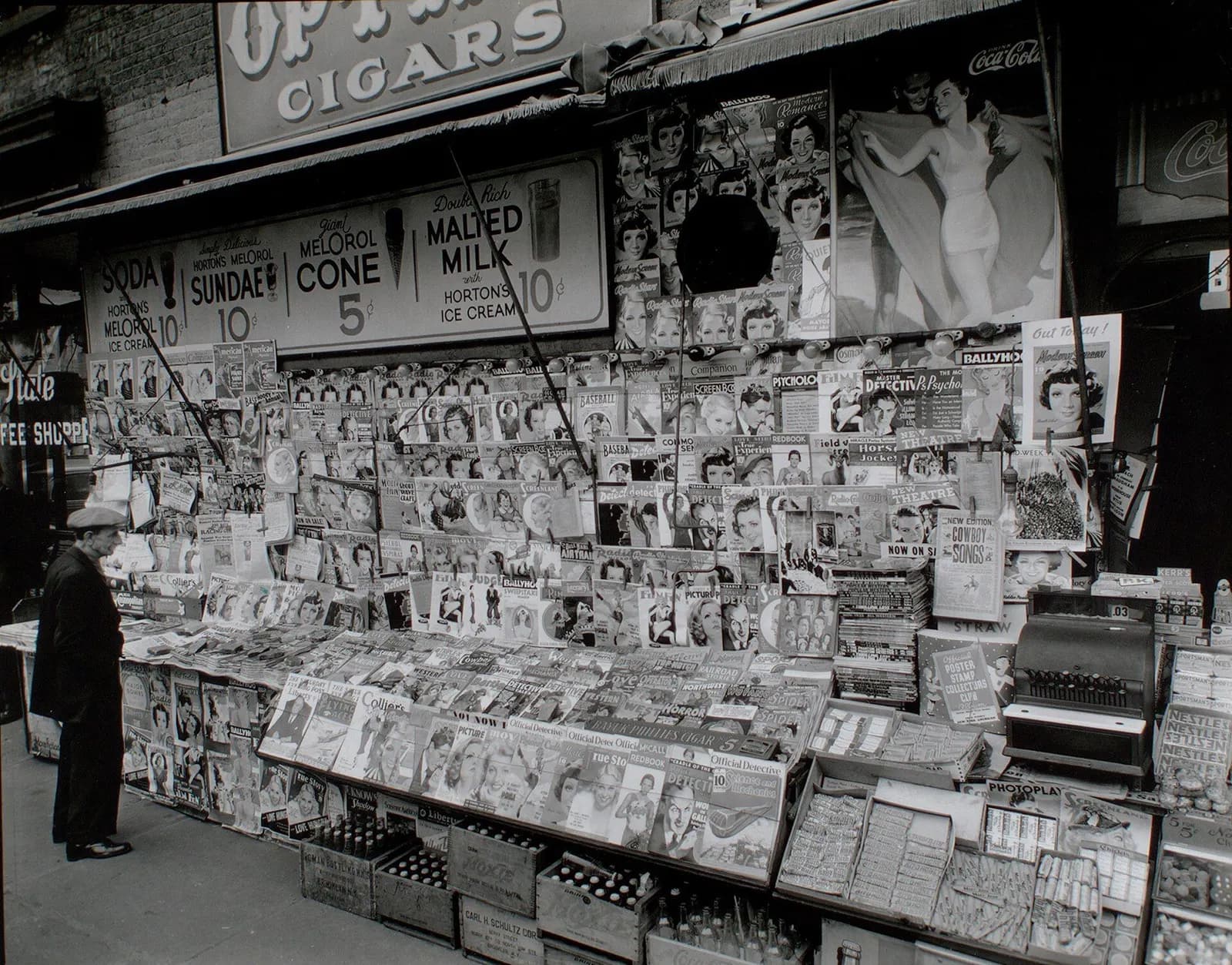
Magazine publishers once mailed seven pleas to win back a single reader. Then billing went automatic, the pleas stopped, and lawmakers started requiring the letter instead.
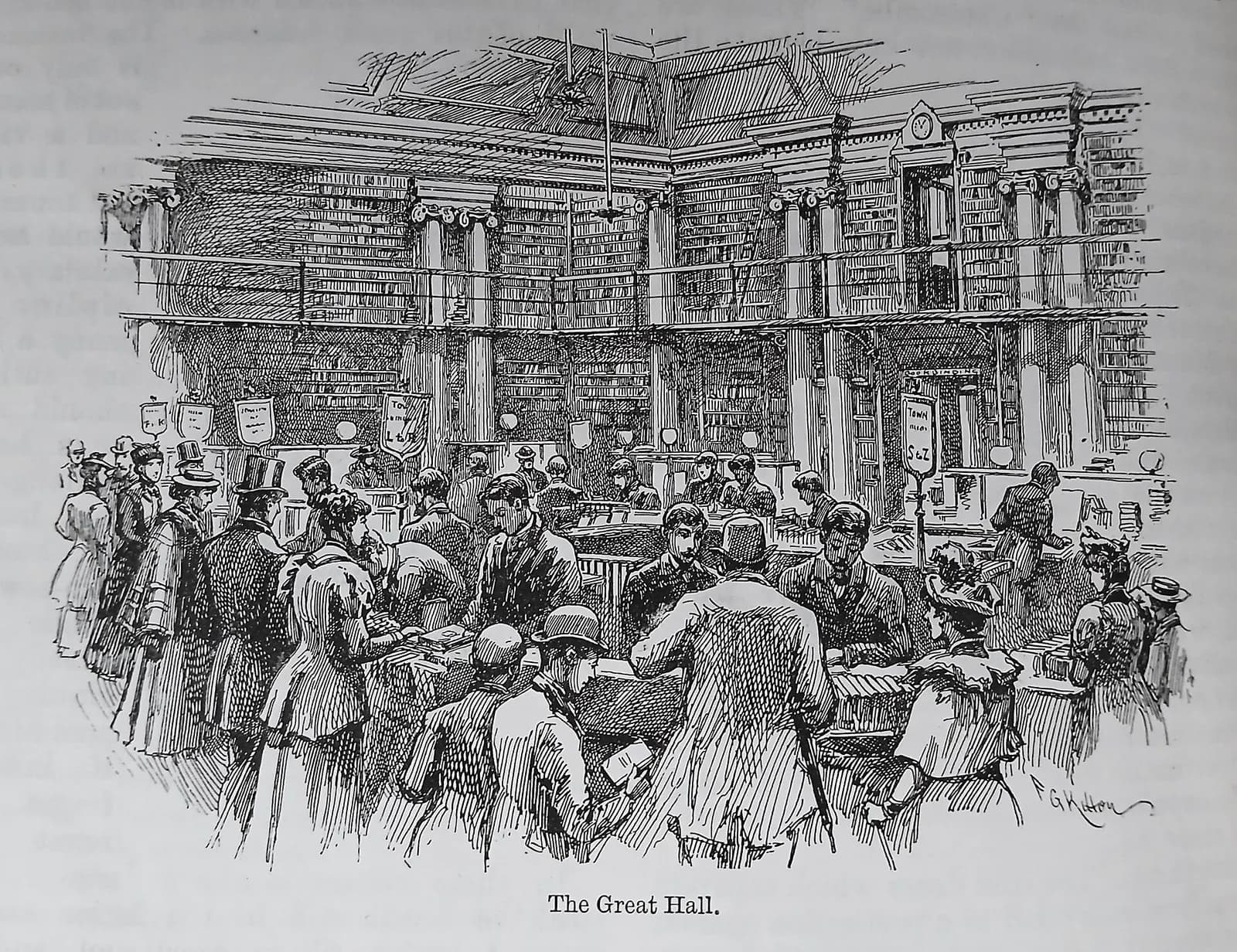
For decades, one London library's yearly fee shaped how Victorian novels were printed, priced and sold. Then, in a single June announcement, the terms changed.
A new antibiotic can save lives and still sink the company that made it. Health systems are now trying an idea borrowed from streaming: pay a fixed fee for access, whether or not the drug gets used.
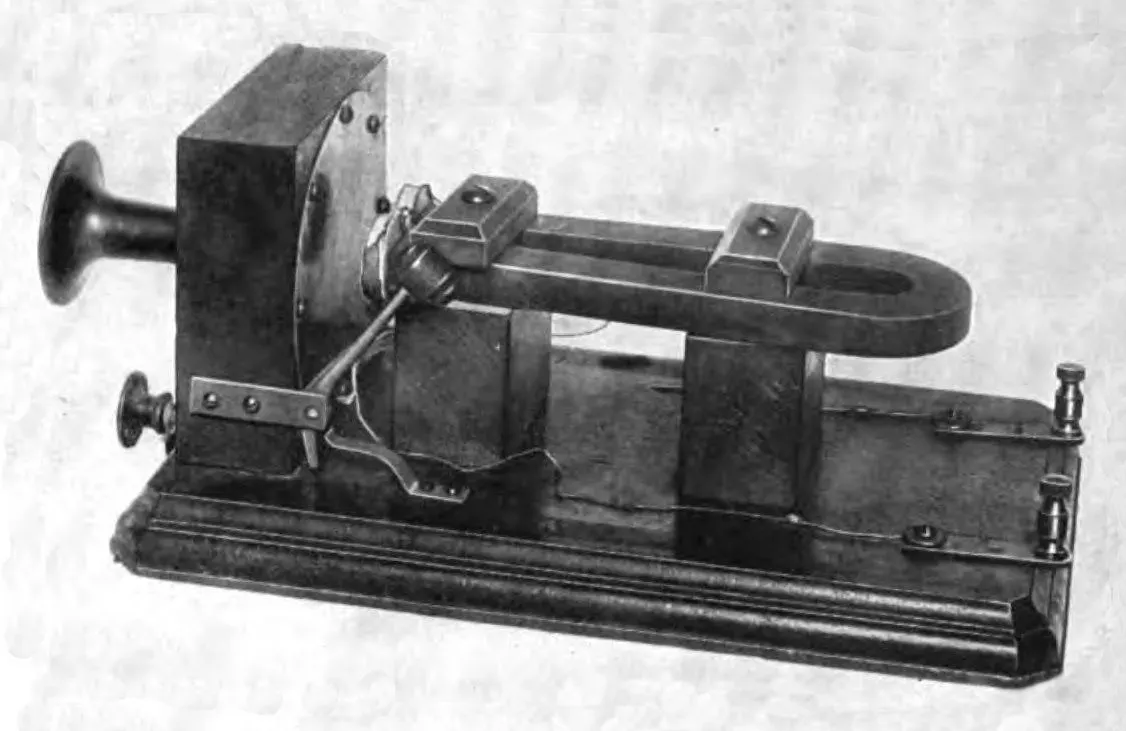
Bell leased its first telephones in 1877, and some people were still paying rent on theirs decades after the monopoly ended. The story runs from a lawyer's circular to heated car seats.
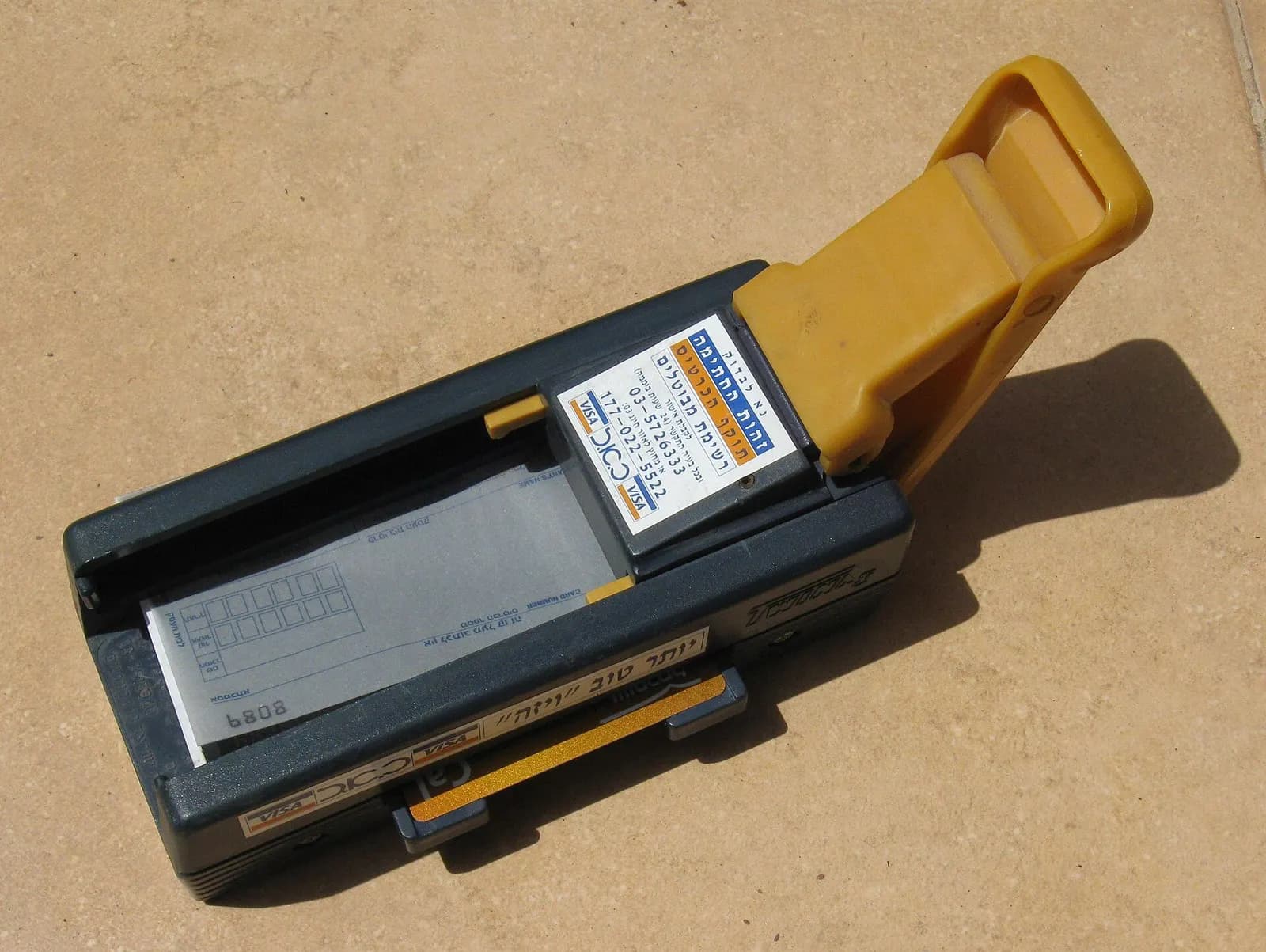
Cutting up a card used to be the blunt way to stop a charge you couldn't shake. Card networks spent two decades making sure the payment finds you anyway, and the next step is no card number at all.
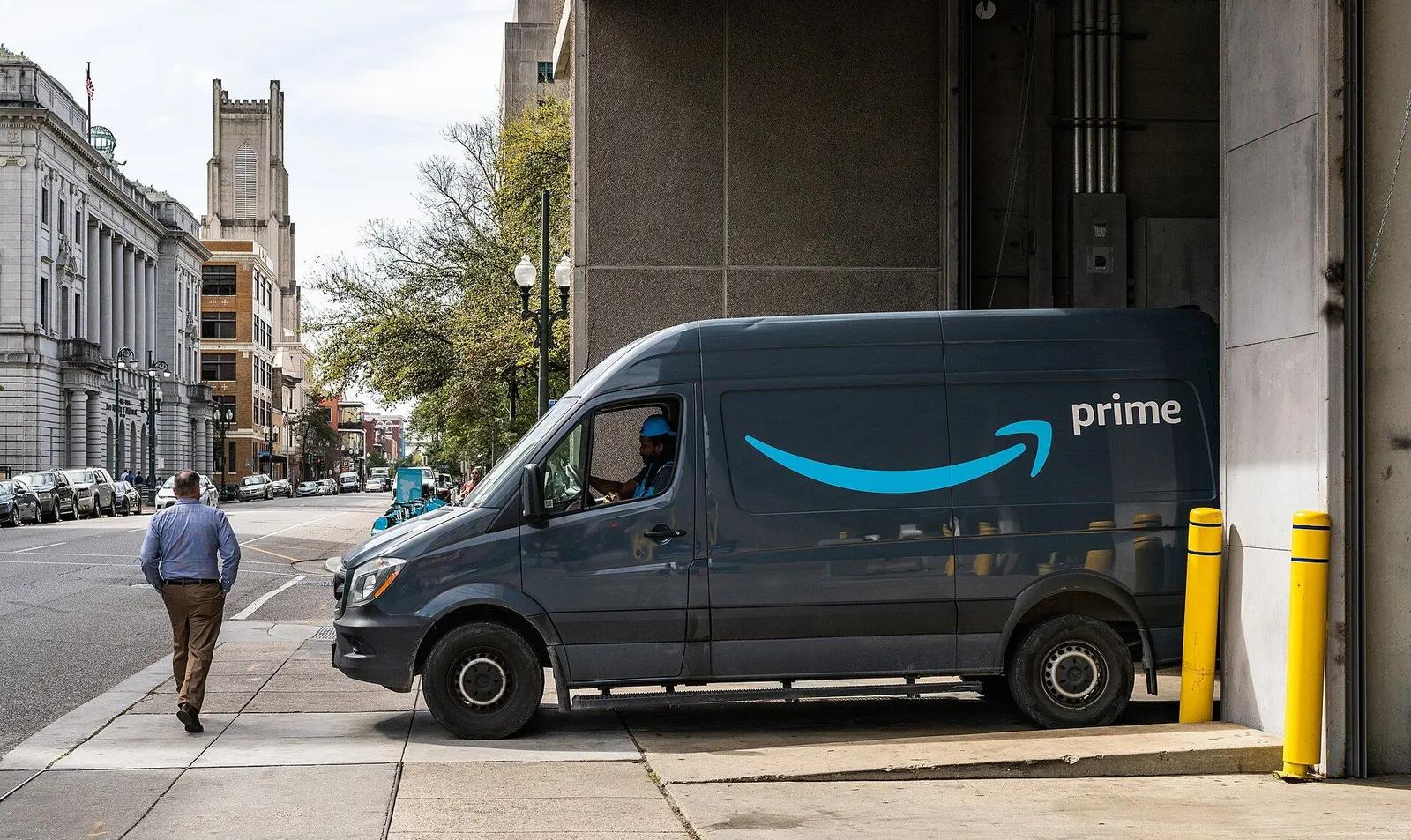
Inside Amazon, the path to cancel Prime was called "Iliad," after Homer's epic of a long war. Here is how that maze ended in a $2.5 billion settlement, and where the refunds stand now.
Victorian Britain found a way to put gas into poorer kitchens: pay a coin at a time, no deposit needed. The idea outlived the coins, and in 2023 it landed in a national scandal.
Book-of-the-Month Club members had to mail back a card or get the book and the bill. Here is how that card became a federal rule, and why its deadline logic still shapes your subscriptions.
After a federal court threw out the FTC's cancellation rule, New York City wrote its own. Here is the path from Washington to City Hall, what the rule demands, and how to use it.
A quarterly subscription audit takes about 30 minutes and pays off four times a year. Here is a repeatable checklist to review every recurring charge, evaluate what still earns its place, and reset your renewal reminders.
Bank and credit card statements are the most reliable source for finding recurring charges — more complete than memory, and more thorough than email searches alone. A methodical review surfaces every active biller.
Free trials are designed to be easy to start and easy to forget. A simple logging system — built around logging every trial at sign-up and deciding before the first charge — eliminates the surprise.
Annual plans almost always carry a discount — but a lower annual rate is not always the right choice. The decision comes down to how likely you are to keep using the service, what the discount is worth in dollars, and how much you value the flexibility to stop.
Duplicate subscriptions show up in two forms: the same service billed twice, and two different tools doing the same job. Both are easy to miss and straightforward to fix once you know what to look for.
Low-usage subscriptions present a recurring decision: keep it, downgrade it, or remove it entirely. A clear framework prevents the two most common mistakes — keeping something on autopilot, or cancelling something you actually need at a lower tier.
Freelance income is variable; subscription spending is not. Knowing your total recurring tool costs gives you a stable floor to plan around — and a set of levers to pull when income shifts.
Shared subscriptions are easy to start and difficult to track over time. Building one shared view of what the household or team pays — and who is responsible for each — keeps renewals visible and billing organized.
The average professional pays for 12 or more software subscriptions. Most people can only name about half of them from memory. Here is a step-by-step approach to getting a full picture of your recurring spend.
Running a subscription audit once a quarter can reveal surprising savings. This guide walks through a simple framework for reviewing your SaaS spend and identifying opportunities to optimize.
Spreadsheets served their purpose, but they fall behind as soon as someone forgets to update a row. Here is how modern teams are getting full visibility into their shared software spend.